
Build an approval‑ready credit profile
Understand what’s driving your credit decisions, identify items that may be unfair or inaccurate, and take a structured next step toward stronger approvals and better terms.
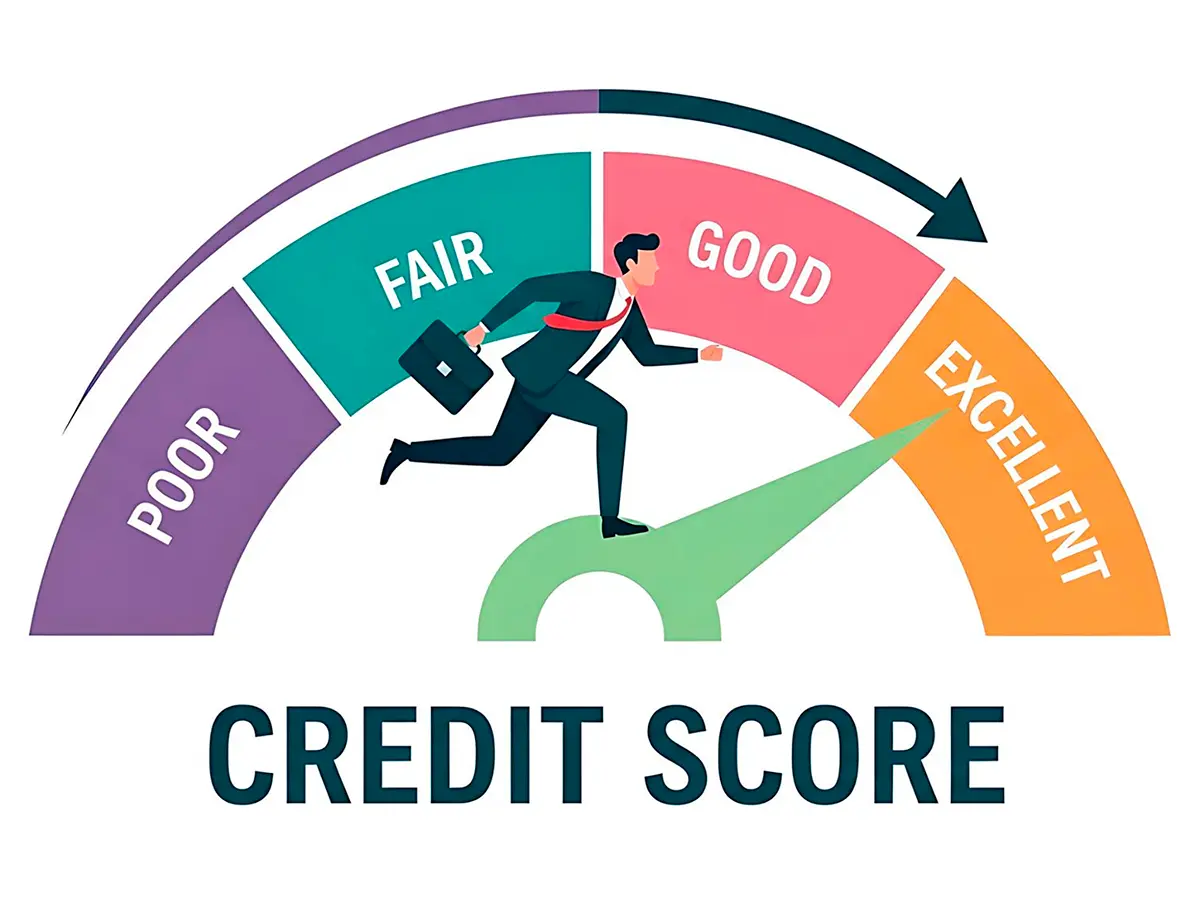
Built around established U.S. credit reporting practices and dispute procedures under the Fair Credit Reporting Act (FCRA). No unrealistic promises—just clarity, documentation, and structured credit improvement.
Unlock more options
Choose the outcome you care about. We’ll outline what improves it—and what to watch for—so you can move forward with confidence.
Your path to stronger credit
A stronger credit profile can mean better approval odds, improved loan terms, and more financial flexibility. Get a clear, no-fluff overview of what credit improvement can help you achieve — then take the next step when you're ready.
Credit decisions in the U.S. are typically influenced by payment history, utilization ratios, account age, recent inquiries, and the accuracy of reporting across major credit bureaus.
Even small inconsistencies can affect lending algorithms. A structured credit improvement approach focuses on verified data, responsible usage patterns, and consistent financial behavior.
*Results vary. This page does not guarantee outcomes.
How it works
A straightforward workflow used by reputable credit‑support programs: review, challenge what’s questionable, and build stronger habits while updates are processed.

Review your starting point
Clarify your goal and look at what’s currently affecting approvals and terms.

Identify what can be challenged
See what information is typically needed, what to expect next, and how the workflow usually looks.

Move forward
Continue to explore available options and take the next step toward better credit outcomes.
better my credit with clear steps that actually add up
The goal is simple: unlock better rates, easier approvals, and a calmer budget. I'm cutting the noise and choosing moves that deliver fast wins first, then durable gains.
Quick wins I can execute this week
- Lower utilization fast. Pay cards down to under 30% of their limits; 10% is even better. I'll target the card that reports soonest for the quickest bump.
- Autopay the minimums. Preventing a single late mark protects a lot of points.
- Dispute clear errors. If a balance or late payment is wrong, I'll file disputes with the bureaus and the furnisher.
- Keep old accounts open. Age matters, so I won't close the oldest line unless the fee outweighs the benefit.
- Add positive data. A low-limit secured card or credit-builder loan fills in on-time payment history.
Real-world moment: last month at the car rental counter, my deposit dropped because my score nudged up and my utilization fell. Small change, immediate relief.
Evaluate where the points are hiding
I'll pull free reports and check the five basics: payment history, utilization, length of history, mix, and new credit. Then I'll act by priority, not by habit.
- Late marks: If any are recent, I'll ask the lender for a one-time goodwill adjustment after three on-time months.
- High balances: I'll map statement dates and pay before they post, so reported balances look lean.
- Thin file: If history is sparse, I'll add a small recurring bill to a card and let it age.
The paydown plan I'm choosing
Avalanche saves interest; snowball builds momentum. I'll blend them: knock utilization under 30% immediately (score impact), then aim extra cash at the highest APR. I almost said "split payments evenly" - better correction: concentrate payments where they move both score and interest the most. And one more tweak: I'll request a limit increase after my balance drops, not before; that timing looks stronger.
Build positive data month after month
On-time payments are non-negotiable. I'll run tiny, predictable charges through a no-fee card, keep balances under 10%, and let age work for me. If needed, I'll become an authorized user on a trusted person's old, well-managed card - only if their habits are spotless. A credit-builder loan can round out the mix without tempting overspend.
Guard the progress
- Set alerts and a calendar. Due dates, statement cuts, and credit score changes get reminders.
- Limit hard pulls. I'll cluster essential applications and skip the rest.
- Freeze if necessary. A credit freeze blocks surprise accounts and keeps my plan clean.
- Don't close depth. Annual fees aside, history stays open.
If a balance feels heavy, I'll call the issuer: ask about hardship plans, interest reductions, or rearranged due dates. Not every option fits, but a supportive rep can smooth the path.
To better my credit, I'm choosing clarity over guesswork: evaluate the report, lower utilization quickly, automate on-time payments, and preserve age. Quiet steps, repeated, compound. That's enough - and it starts now.
A good credit score can mean you qualify for cheaper rates on things like loans, credit cards, mobiles and mortgages. See how to improve yours.
How to Improve Your Credit Score - 1. Make On-Time Payments - 2. Pay Down Revolving Account Balances - 3. Don't Close Your Oldest Account - 4. Diversify the ...
Low credit scores can be a serious stumbling block for many hopeful homebuyers. But with patience and hard work, it's possible to improve your credit scores.
Frequently asked questions
A clear next step — without the guesswork
See what’s impacting approvals and what may deserve a closer look.
Understand how disputes are structured and what documentation matters.
Improve utilization, consistency, and long-term credit stability.
See what improving your credit could change
Take a structured next step based on your current profile — and decide with clarity.